
Newsroom Press Release: Road to ISF 2026 Promotes Collaboration for Sustainable Investment in Indonesia’s Strategic Sectors
Press Release: Road to ISF 2026 Promotes Collaboration for Sustainable Investment in Indonesia’s Strategic Sectors
2 weeks ago - Friday, 12 June 2026
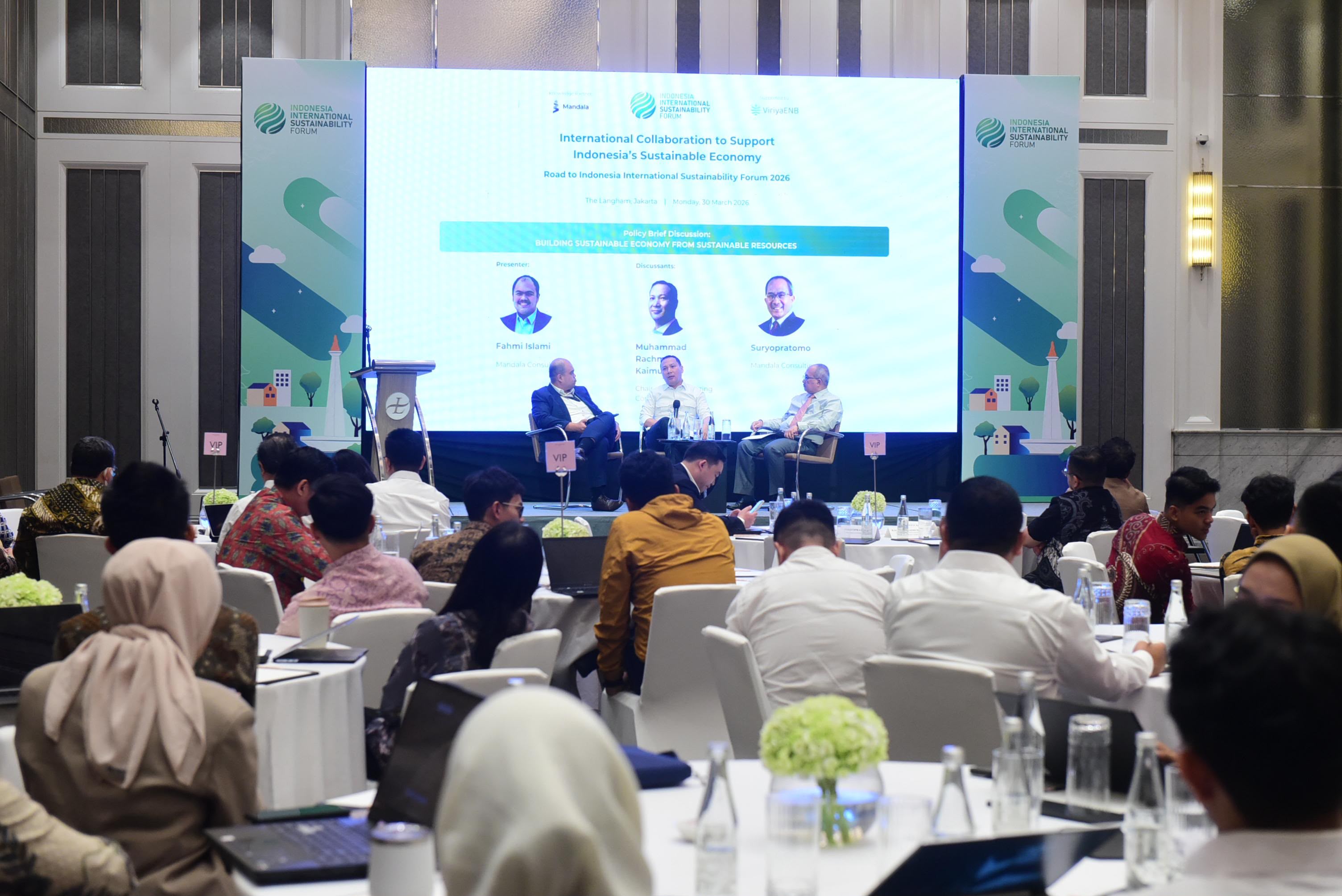
Jakarta – As part of the series of activities leading up to the Indonesia International Sustainability Forum (ISF) 2026, ISF held the forum Road to ISF 2026: International Collaboration to Support Indonesia’s Sustainable Economy on Monday afternoon, March 30, 2026, in Jakarta. The event was organized in collaboration with Mandala Consulting as knowledge partner and supported by Visi Indonesia Raya Emisi Nol Bersih (ViriyaENB).
The forum aimed to strengthen synergy and encourage practical collaboration among stakeholders to improve the quality of investment and sustainability practices in Indonesia’s strategic resource sectors. This strategic forum brought together stakeholders from government, the private sector, partner countries, industry, and non-governmental organizations.
The event was divided into two sessions. The first session opened with the presentation of a policy brief titled Building a Sustainable Economy from Sustainable Resources. The policy document discussed how Indonesia can build sustainable economic growth from the critical minerals sector by improving the quality of environmental practices in line with the country’s industrialization agenda.
Responding to the presentation, ISF Organizing Committee Chair Rachmat Kaimuddin emphasized that investment quality must support Indonesia’s economic sovereignty.
“Essentially, our duty is to protect the nation and its people, improve welfare, educate society, and contribute to world peace. That is the mandate of the Indonesian government. When we talk about welfare, one of the indicators we can ultimately use is economic growth or GDP,” he said.
Rachmat also addressed sustainability issues, particularly in the context of green growth, the green transition, renewable energy, and the development of greener downstream products.
A similar point was conveyed by Mandala Consulting Senior Advisor Suryopratomo. In his response, he also shared his experience serving as Indonesia’s Ambassador to Singapore from 2020 to 2025. Suryopratomo noted that the main challenge in Indonesia’s investment climate is not merely a lack of investor interest, but the need to strengthen the direction of industrialization.
“The challenge is that sometimes we have not provided a very clear direction on what kind of investment relationship we want to build. Companies are generally willing to invest in a country. The first thing they need is long-term planning. The second is consistency in implementing that long-term plan,” he said.
The forum continued with a panel session titled Enablers for Catalyzing Sustainable Transformation in Indonesia’s Critical Resource Industries, featuring Farah Heliantina from the Coordinating Ministry for Economic Affairs, Huayou Indonesia Chief Representative Hu Zaiwei, and PT Vale Indonesia Director and Chief Sustainability and Corporate Affairs Officer Budiawansyah.
The discussion emphasized the importance of collaboration among government, industry, technology providers, markets, and international partners to drive sustainable transformation in Indonesia’s critical industries. It also highlighted the growing importance of implementing and aligning sustainability standards, both national and global, so that Indonesian industries can enhance credibility, meet market demands, and strengthen competitiveness at the international level.
During the session, Farah Heliantina stressed that sustainable transformation in critical industries requires consistent policies, adequate infrastructure, and collaboration among the government, industry, regional governments, and financing support.
“The first is certainly collaboration, or coalition, which I think is very important. The second is regulation, which essentially needs to be implemented properly. The third is, of course, financing,” Farah said.
Budiawansyah emphasized that sustainability is not merely about pursuing a green premium from the market, but also about gaining access to global financing.
“Recently, from the financing side, they have been open to green mining initiatives. They can offer better interest rates to support their growth,” he said.
The forum also featured the handover of the policy brief to the panelists and representatives of partner countries, attended by their respective embassies. The preparation of the document is aligned with the government’s agenda to promote downstreaming and economic growth, while emphasizing the need to improve investment quality, apply more credible sustainability and governance standards, and integrate renewable energy into the development of strategic mineral sectors such as nickel, copper, bauxite, and cobalt, which are increasingly important for electric vehicles, the technology industry, and renewable energy itself.
At the same time, the document highlights a number of remaining challenges, including investment policies that often prioritize quantity over quality, particularly in terms of environmental practices, weak law enforcement, and uneven implementation of environmental standards by industry.
To address these challenges, the policy brief outlines several recommendations, including the need to strengthen cooperation with partner countries to improve the quality of mineral investment from ESG and HSE perspectives, integrate downstreaming with renewable energy, and strengthen ISF as a multi-stakeholder collaboration platform to promote more sustainable policies and investment.
As part of efforts to strengthen collaboration and encourage sustainable investment, the Indonesia International Sustainability Forum (ISF) 2026 is planned to be held in October 2026 in Jakarta. The forum is expected to serve as a strategic platform to bring together global stakeholders in advancing Indonesia’s sustainable development agenda.
Latest News
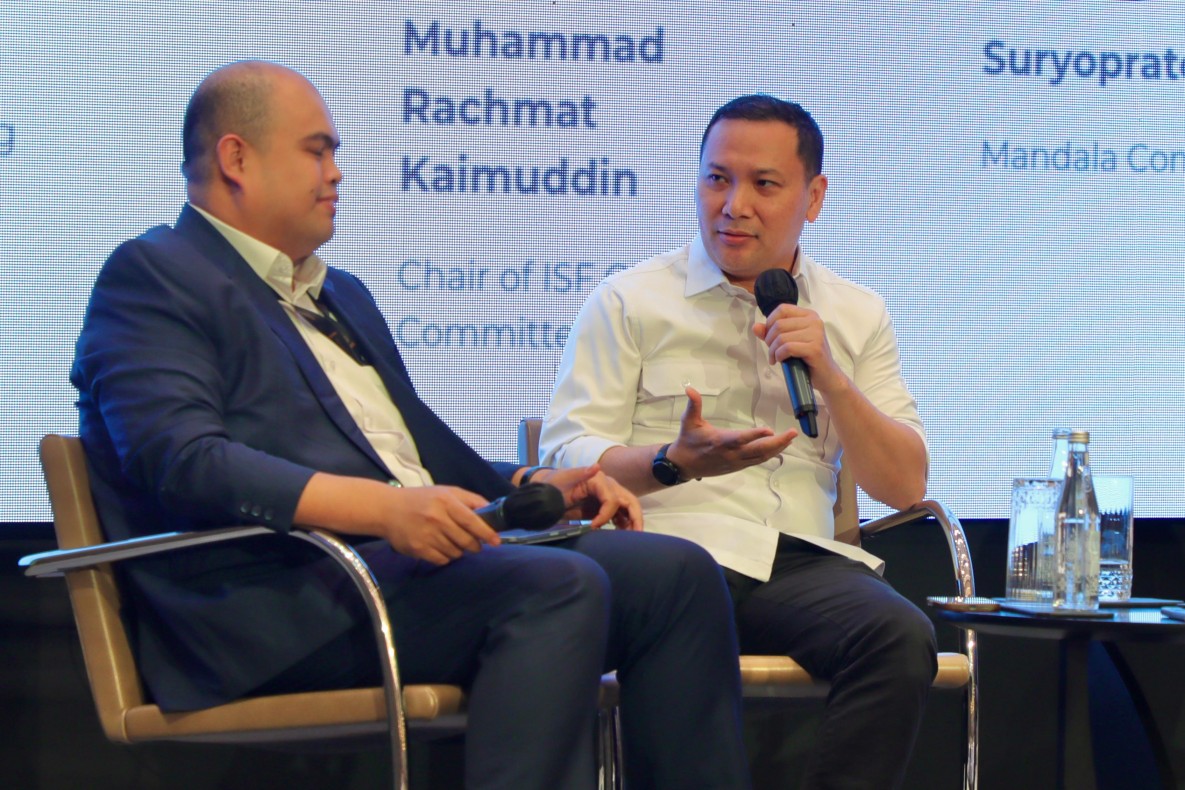
Deputy Rachmat Kaimuddin Reaffirms Natural Resource Downstreaming, Calls for Strengthening ISF as Permanent Platform for Sustainable Investment
2 weeks ago - Friday, 12 June 2026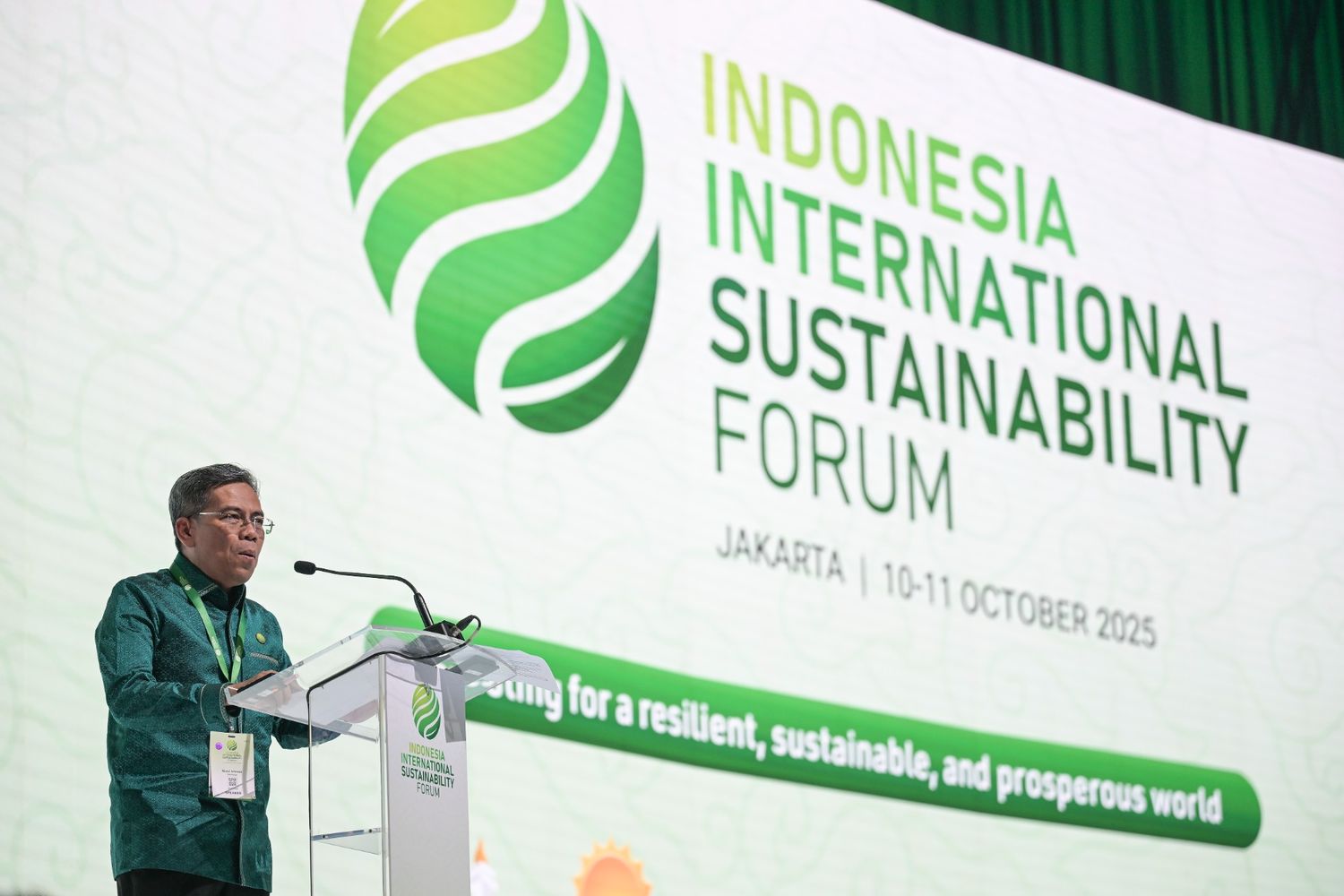
ISF 2025 Officially Concludes, Paving the Way for Concrete Investment and Green Economy Initiatives
2 weeks ago - Friday, 12 June 2026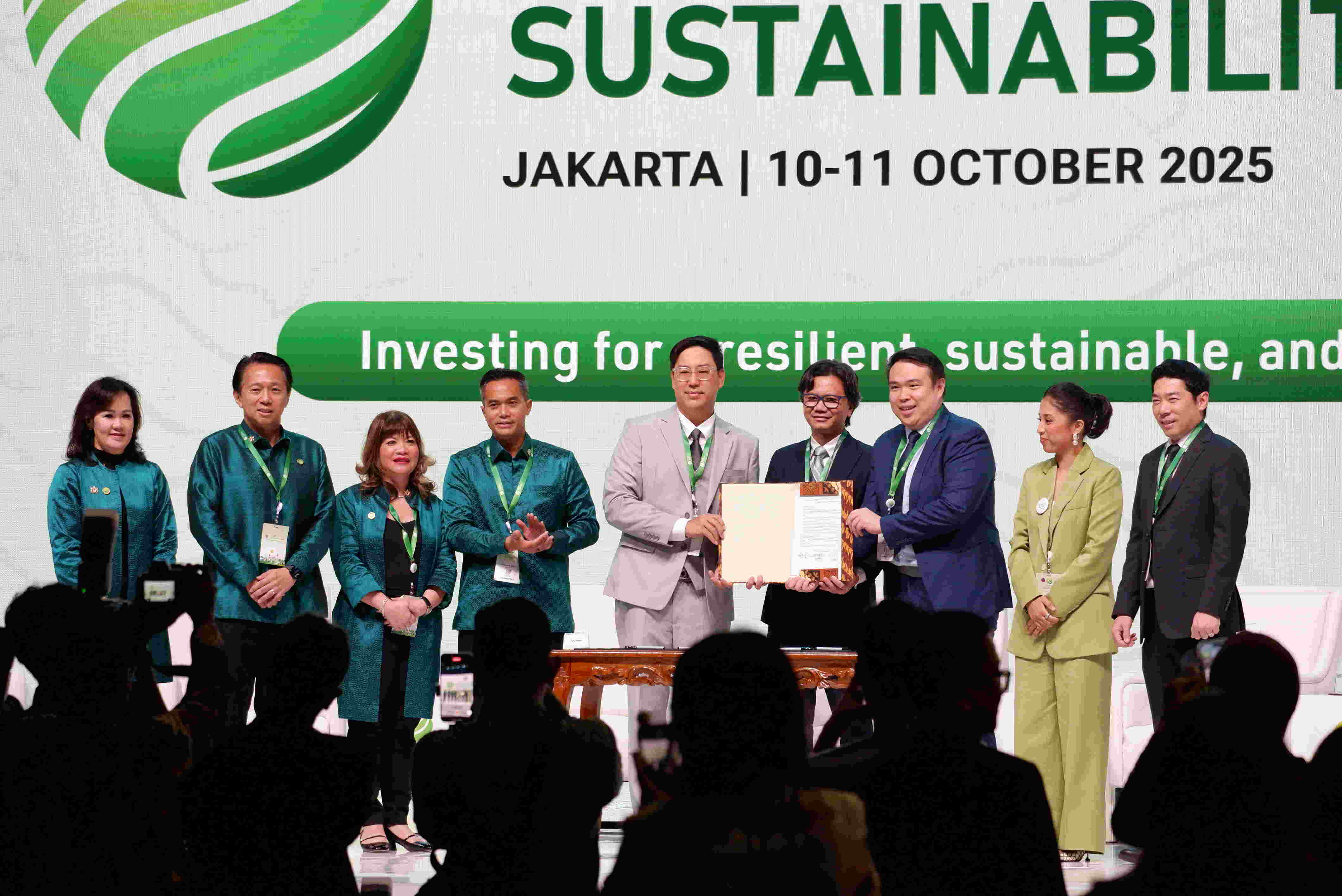
ISF Concludes with Rp278 Trillion in Green Investment Commitments
2 weeks ago - Friday, 12 June 2026