
Objectives
ISF 2026 seeks to continue scaling its impact internationally as a platform for sustainable growth, climate dialogue, and collaborations. The forum will advance practical scalable solutions, foster partnerships, and unlock investment opportunities across key priorities or focus areas.
ISF 2026 aims to deliver:

New partnerships and investment commitments that accelerate green growth priorities in Indonesia

Action-oriented coalitions that drive implementation of high-impact initiatives

Thought leadership and policy recommendations that shape regional and global sustainability agendas

A platform for collaboration and innovation that connects governments, businesses, investors, and development partners to scale sustainable solutions
- Day 1, Powering Low-Carbon Growth, focuses on where green growth comes from. Discussions will explore how clean energy, competitive low-carbon industries, and food and nature systems can strengthen economic competitiveness and create long-term value
- Day 2, Enabling a Resilient & Liveable Future, focuses on what enables to scale. Discussions will explore how water security, climate-resilient cities, financing and talent development can enable growth, build resilience, and improve quality of life.
Across both days, ISF 2026 will spotlight practical, scalable, and investable solutions that are grounded in real-world challenges and opportunities.
DAY 1: POWERING LOW CARBON GROWTH
How can we leverage the low-carbon transition to strengthen competitiveness,
drive investment and unlock long-term economic growth?
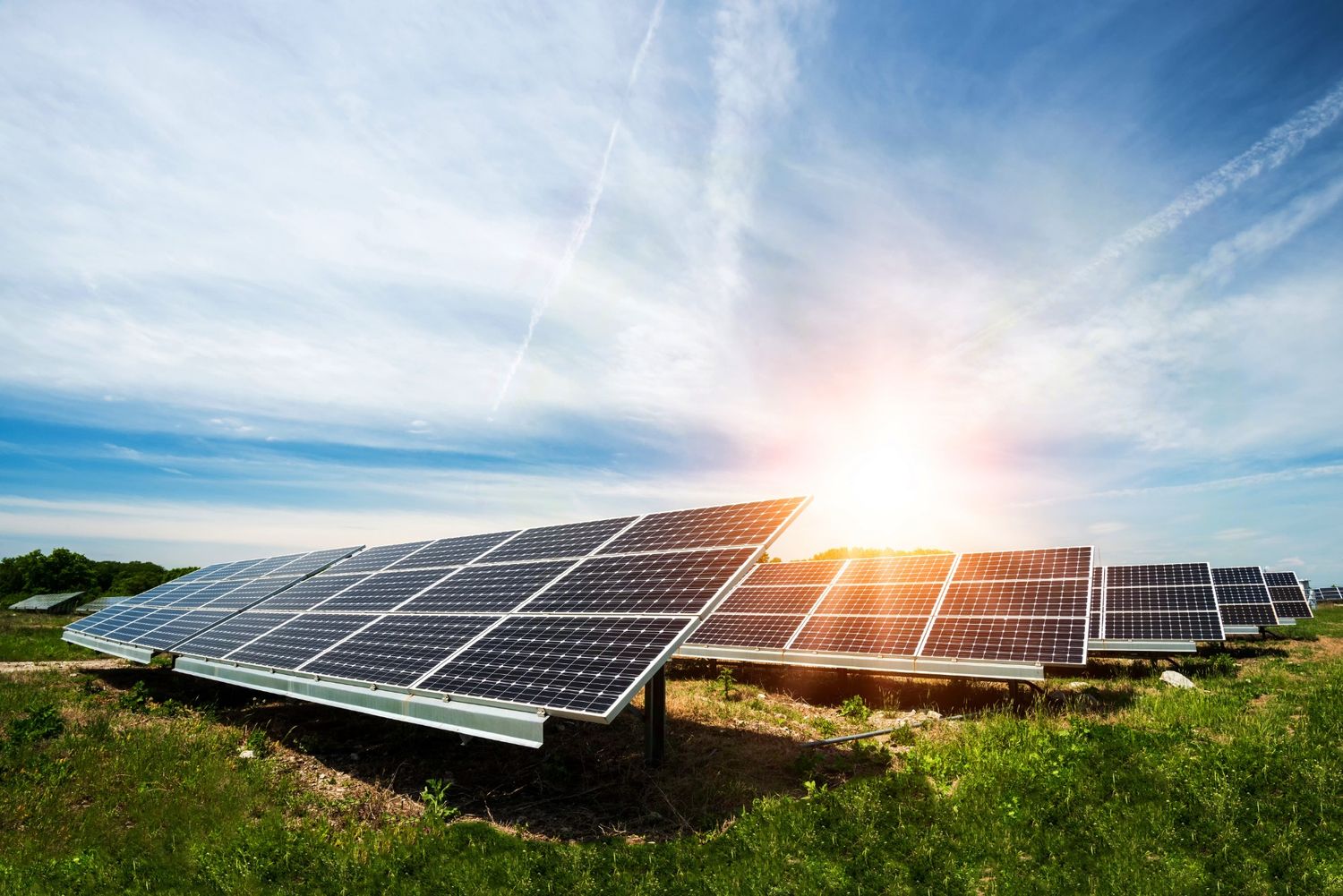
Energy Security and Resilience
Reliable and affordable energy is the foundation of economic growth. This theme explores how scaling renewable energy, modernising power systems, and improving energy efficiency can strengthen energy security, support industrial development, and expand access to clean and affordable energy.
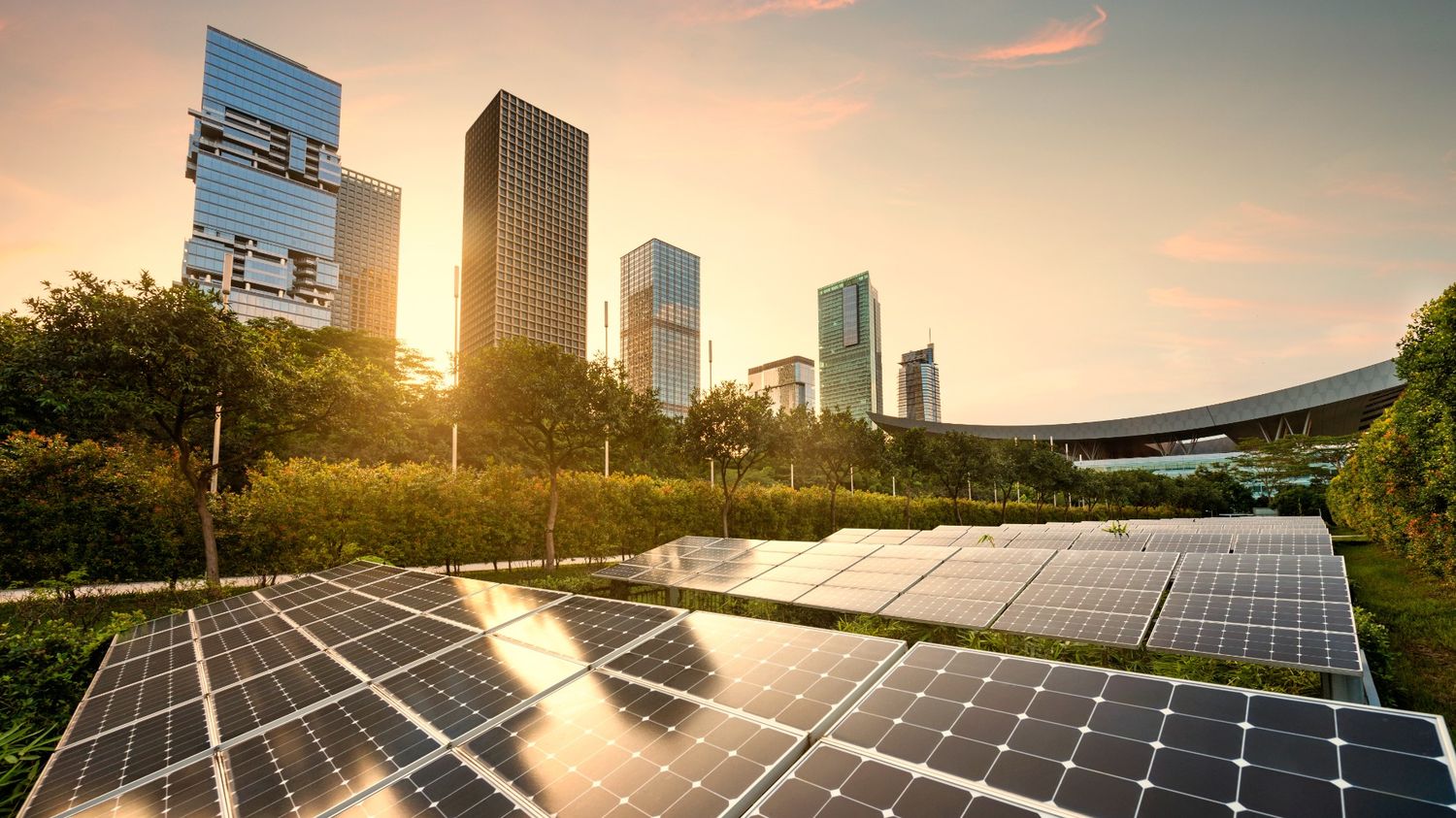
Low-Carbon Industries
The transition to low-carbon industries presents an opportunity to strengthen competitiveness while reducing emissions. This theme explores practical pathways to decarbonise industry such as efficiency improvements, clean technologies, circular economy approaches, and sustainable value chains that can attract investment, create quality jobs, and enhance long-term competitiveness.
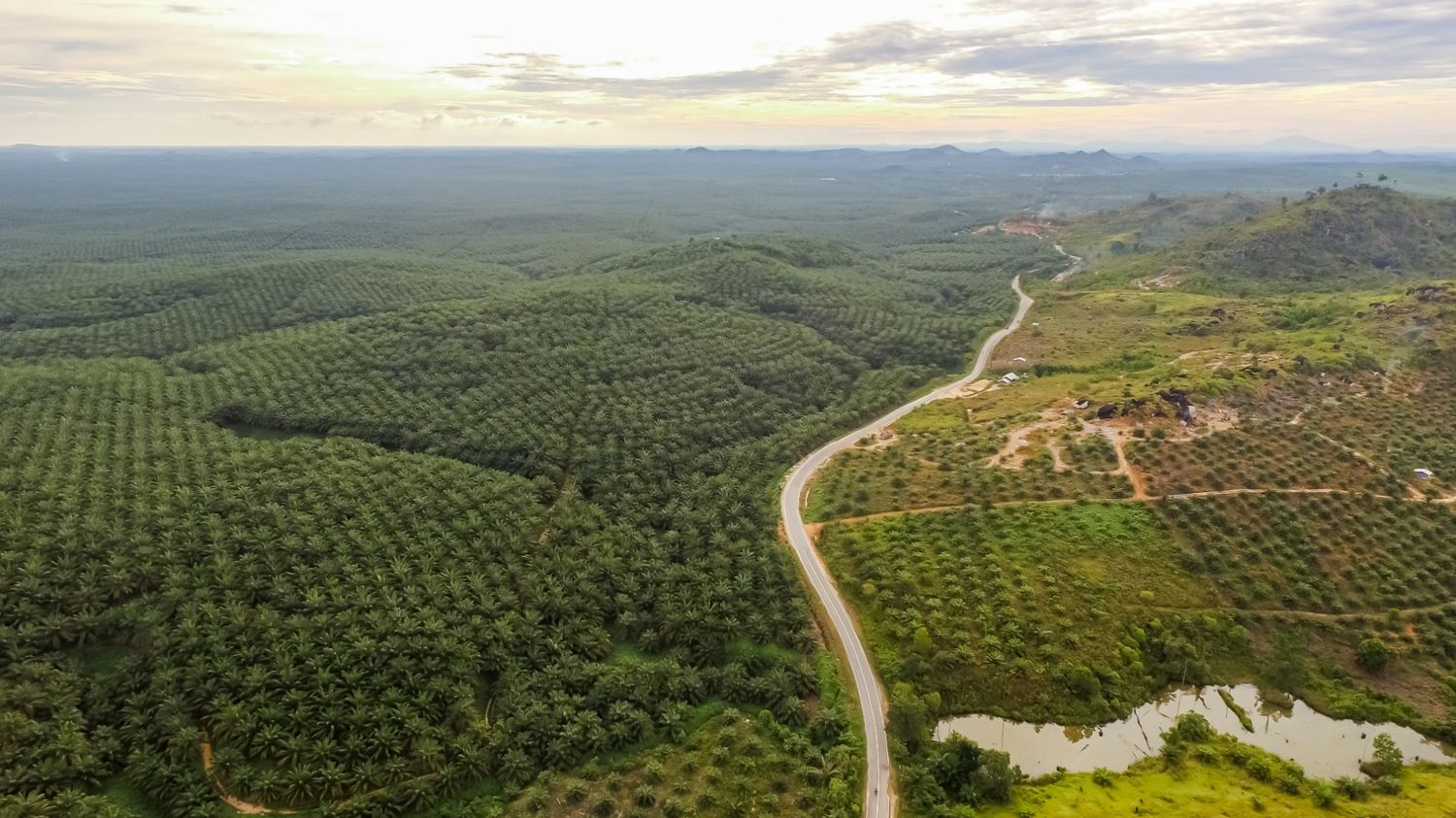
Resilient Food and Nature Systems
Food and nature systems underpin livelihoods, food security, and economic resilience. This theme explores how sustainable agriculture, ecosystem restoration, and nature-based solutions can enhance productivity, protect biodiversity, and create lasting environmental and economic value.
DAY 2: ENABLING A RESILIENT & LIVABLE FUTURE
How can we build resilience and unlock the finance, innovation,
and talent needed for sustainable and inclusive growth?
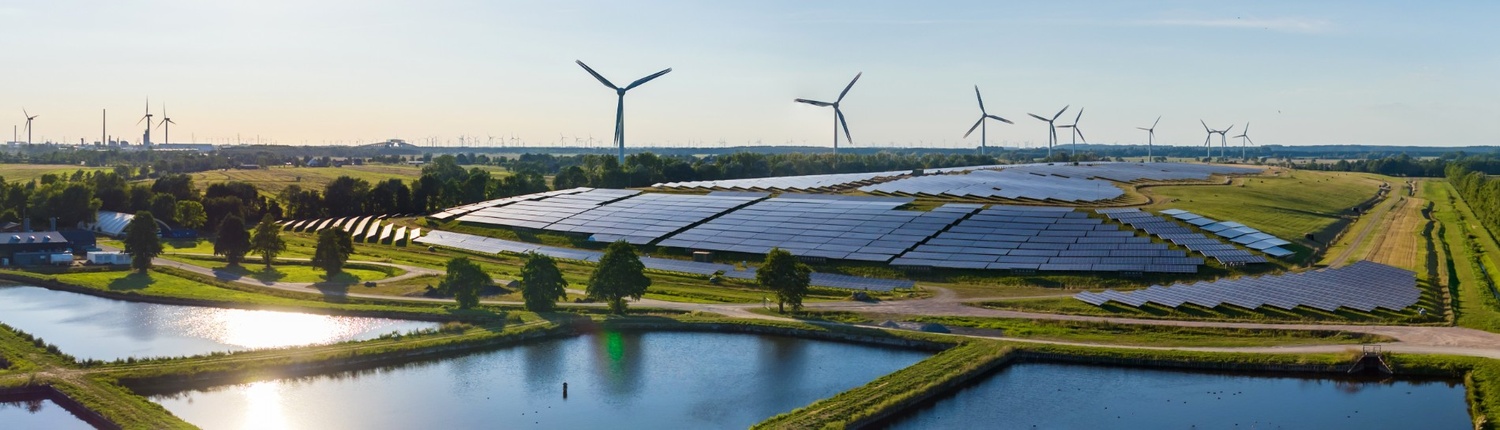
Water Security and Resilience
Water underpins economic growth, food systems, public health, and human wellbeing. This theme explores how innovative water management, resilient infrastructure, watershed protection, and nature-based solutions can strengthen water security and address growing climate and resource pressures.
Livable Cities and Clean Mobility
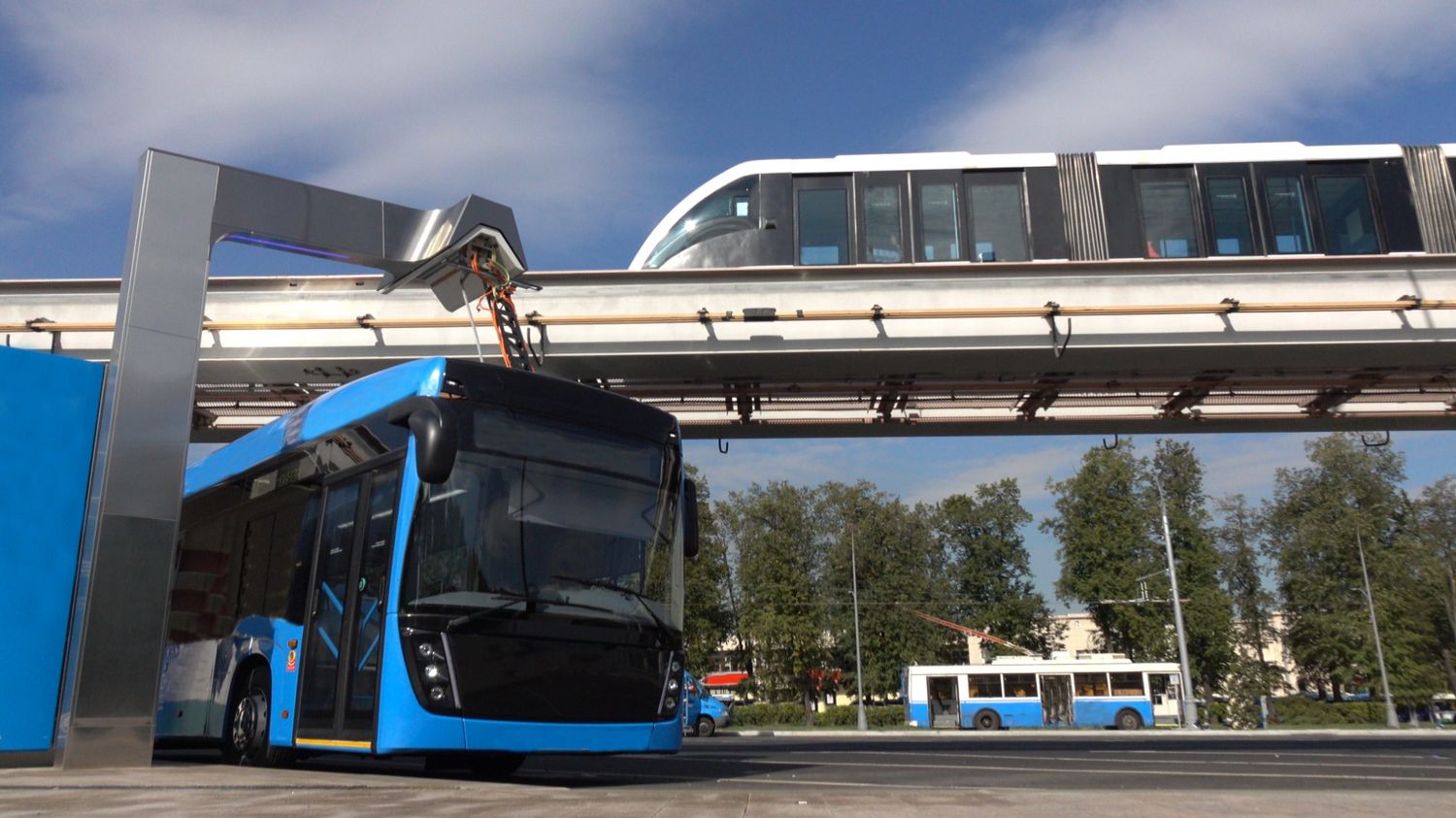
Cities are engines of economic growth and innovation, yet many face growing climate risks from rising temperatures, air pollution, and extreme weather. This theme explores how sustainable urban planning, clean mobility, green infrastructure, climate-smart development can improve quality of life, reduce emissions, and create more connected and inclusive communities.
Mobilising Finance, Innovation, and Talent
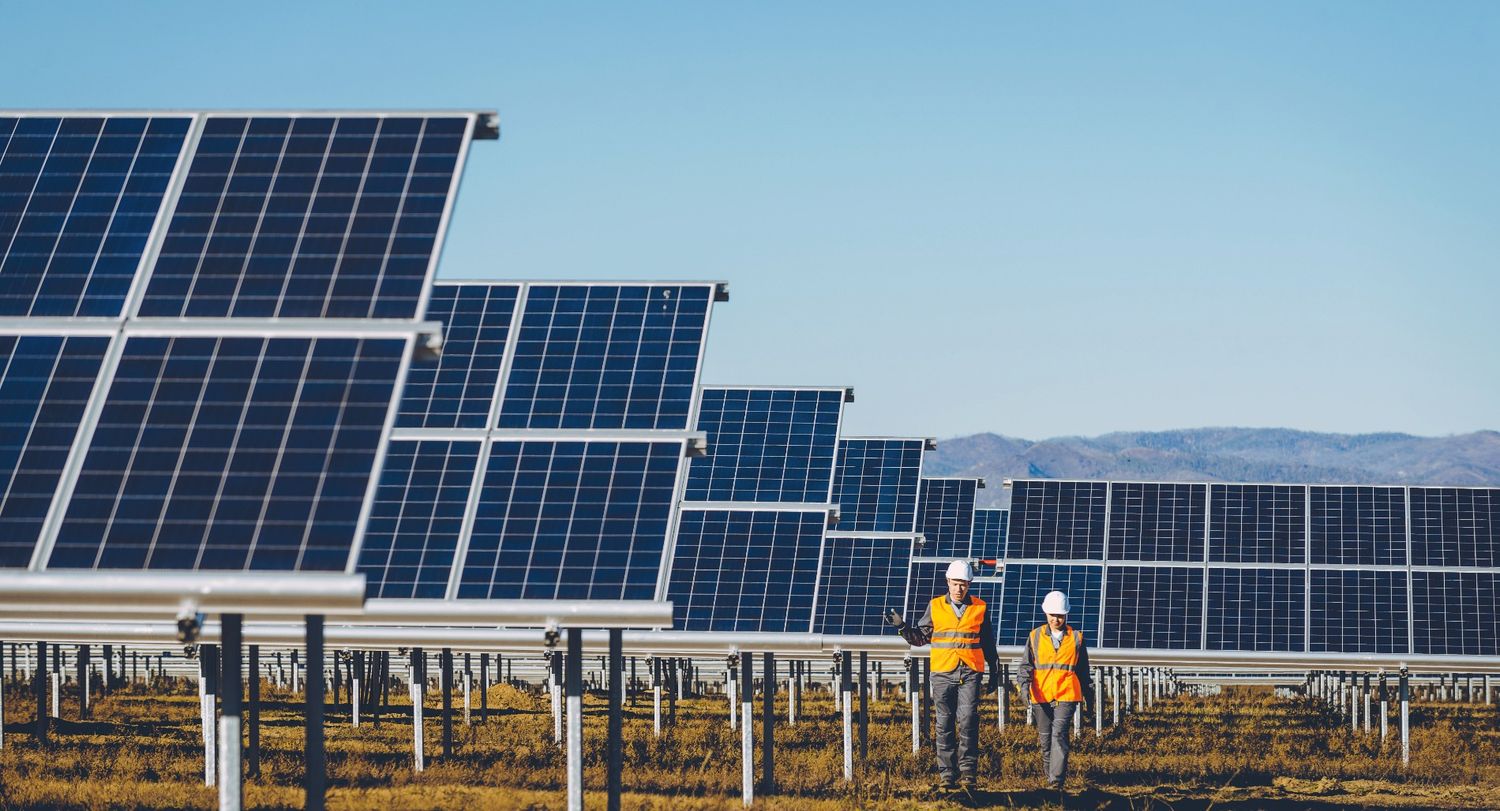
Finance, innovation, and talent are critical enablers of the transition. This theme explores how mobilising capital, scaling innovative solutions, and developing future-ready skills can accelerate investment, unlock new economic opportunities, and support progress across all sectors.